Admin
Admin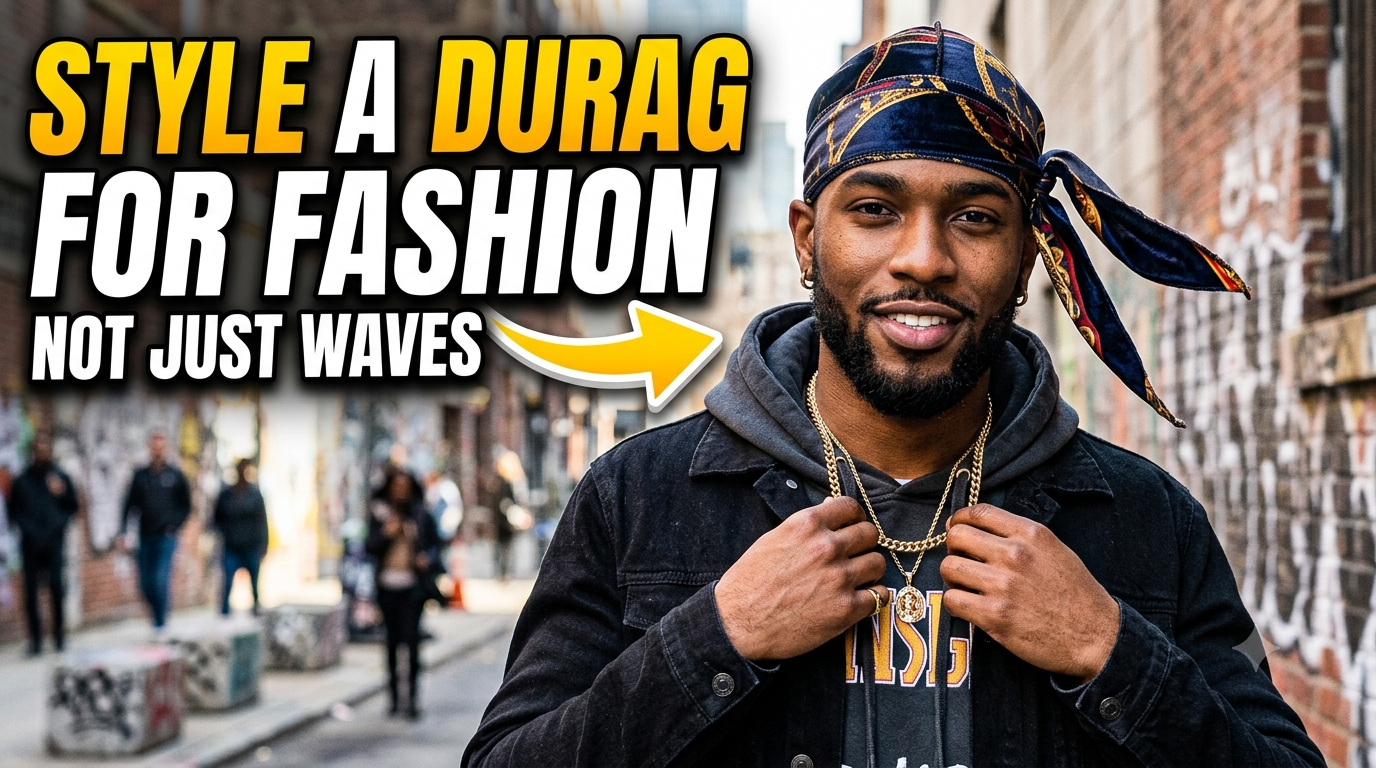
How to Style a Durag for Fashion (Not Just Waves)
For a long time, durags were almost exclusively talked about in the context of wave building — a functional tool that serious wavers wore to protect their hair pattern and lock in compression overnight. That conversation has shifted dramatically over the last several years. Today, the durag has firmly established itself as a legitimate fashion accessory worn by people who may not even be working on waves at all. From streetwear runways to music videos, from high fashion editorials to everyday street style, the durag has crossed over into mainstream fashion in a way that few hair accessories ever have.
But styling a durag for fashion is a different skill from tying one for wave compression. The priorities shift — instead of maximum hold and overnight security, you are thinking about silhouette, fabric drape, color coordination, outfit pairing, and the overall aesthetic you want to project. This guide breaks down everything you need to know about wearing a durag as a fashion statement, including which materials work best for style, how to tie it different ways, and how to build outfits around it.
The Cultural Roots Worth Respecting
Before diving into the style tips, it is worth taking a moment to acknowledge where the durag comes from. The durag has deep roots in Black American culture, originally developed as a practical tool for maintaining hair texture and wave patterns. For decades it was stigmatized and even banned in certain spaces despite being a meaningful part of Black grooming culture and identity. Its rise into mainstream fashion happened because Black artists, athletes, and creators wore it confidently and unapologetically until the wider world caught up.
Wearing a durag as a fashion piece is widely accepted today, but doing it with an awareness of its cultural history adds a layer of respect and authenticity to how you carry it. Understanding where something comes from makes you wear it better — with intention rather than just imitation.
Choosing the Right Durag for Fashion Wear
Not every durag is suited for fashion styling. When you are wearing one purely for wave compression, material performance is the priority. When you are wearing one as a fashion accessory, visual impact and drape become equally important. Here is what to look for.
Silk durags are the top choice for fashion wear. The natural sheen of real silk catches light beautifully, drapes elegantly, and communicates luxury in a way that synthetic materials cannot fully replicate. A silk durag in a rich color or a subtle pattern instantly elevates an outfit. The tails flow naturally and create that signature silhouette that has become iconic in fashion contexts.
Velvet durags are a strong second choice for fashion purposes. Velvet has a rich, textured appearance that reads as bold and statement-making. A deep jewel-toned velvet durag — burgundy, forest green, royal blue, or black — paired with the right outfit creates a striking look. Velvet durags also photograph exceptionally well, which is part of why they show up so often in music videos and editorial shoots.
High-quality satin durags work well for everyday fashion wear, especially when you are going for a more casual streetwear aesthetic. They come in the widest range of colors and prints, are affordable enough to collect in multiple options, and still have enough sheen to look intentional rather than purely functional.
Avoid basic cotton or mesh durags for fashion purposes. These materials read as purely utilitarian and lack the visual quality that makes a durag work as a style piece. If you are wearing a durag as part of an outfit rather than just as a hair tool, the material needs to look the part.
Different Ways to Tie a Durag for Style
How you tie your durag completely changes the look it creates. Unlike wave compression tying — which follows one method for maximum hold — fashion tying is about experimenting with different silhouettes and finding what works for your face shape, outfit, and personal aesthetic.
The Classic Tie
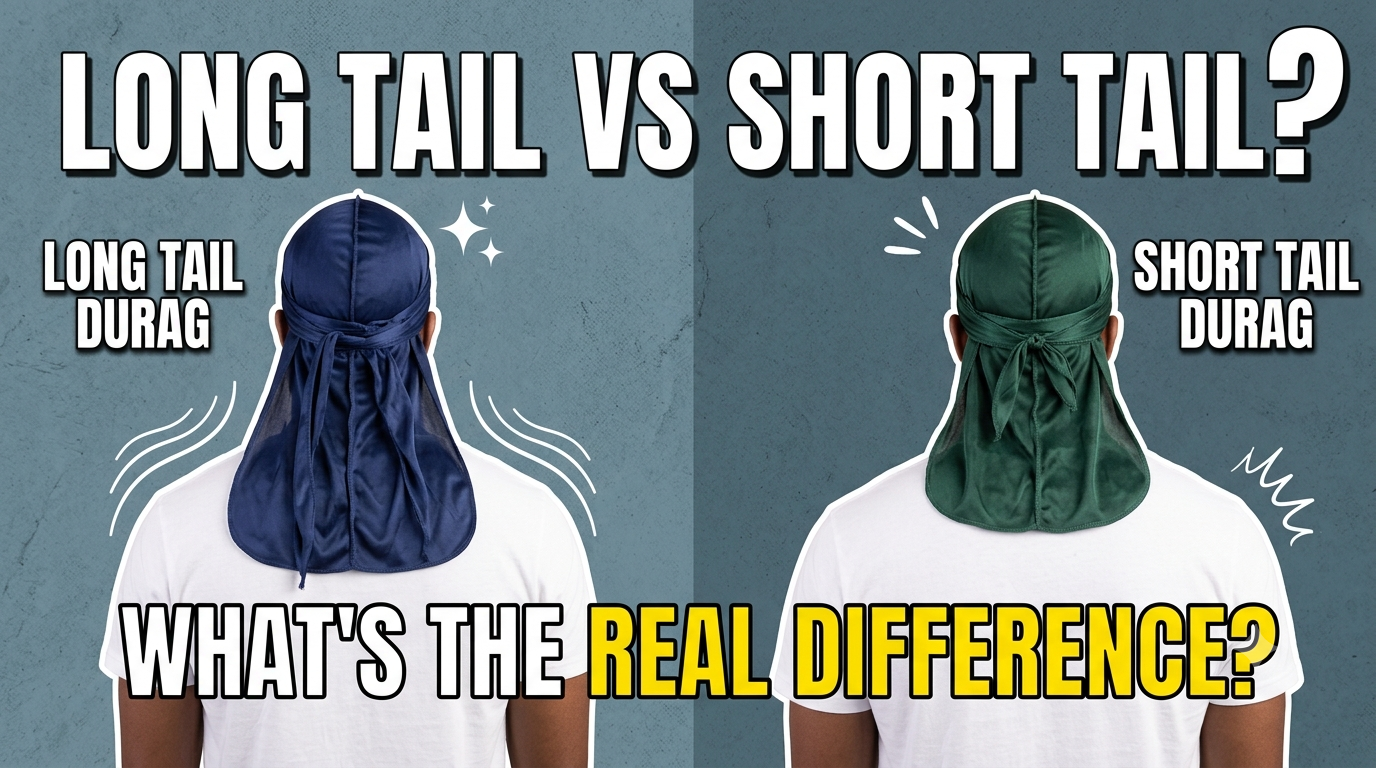
This is the traditional way most people tie a durag, with the knot sitting at the front center of the forehead and the tails either tucked in or left to hang down the back. For fashion wear, letting the tails hang freely down the back creates the most iconic silhouette. The length and drape of the tails become a visual element in themselves — longer tails create more drama and movement, while shorter ones keep the look clean and minimal. This style works with almost any outfit and is the most universally recognized durag look.
The Back Knot Tie
Instead of bringing the tails to the front, you wrap them around and tie the knot at the back of your head, leaving the front completely clean and uninterrupted. This creates a sleeker, more polished silhouette that works well when you want the durag to look more like a headwrap than a traditional durag. The front of the fabric sits smooth across your forehead and the top of your head without any knot breaking up the line. This style pairs well with more dressed-up outfits where a front knot might feel too casual.
The Side Knot
Tying your knot off to one side rather than straight at the front or back creates an asymmetrical look that feels more fashion-forward and editorial. It is a small adjustment that makes a noticeable difference in the overall aesthetic. The side knot works particularly well with bold colored or patterned durags where you want the styling to feel intentional and creative rather than standard.
The Loose Drape
This style involves placing the durag on your head without pulling it tightly — letting it sit with a relaxed, slightly loose fit that allows the fabric to drape naturally around the sides and back of your head. The tails are left long and flowing. This look is heavily inspired by the way durags appear in high fashion editorial contexts and music videos. It requires a silk or high quality satin durag to work because the fabric needs to drape beautifully rather than bunching or wrinkling. The loose drape is the most overtly fashion-forward way to wear a durag and creates the most visual impact.
The Half Tie
Rather than tying the tails all the way around your head, you wrap them once and leave them loose at the sides or front, creating a more undone, effortless look. This works well for casual streetwear aesthetics where the goal is to look stylish but not overly put together. It reads as relaxed confidence — the fashion equivalent of a perfectly imperfect outfit.
Colors, Prints, and Patterns
One of the biggest advantages of wearing a durag for fashion rather than function is that you can lean into color and pattern in a way that pure wave builders often avoid. When every durag choice is a style statement, your options open up considerably.
Solid rich colors are the easiest starting point. Black is the most versatile — it pairs with everything and always looks intentional. Beyond black, deep jewel tones like burgundy, navy, emerald green, and chocolate brown photograph beautifully and add depth to an outfit without being overwhelming. These colors work across casual and slightly elevated looks.
Bright and bold colors make the durag the focal point of the outfit. A bright red, electric blue, or vivid orange durag demands attention and works best when the rest of the outfit is kept relatively neutral. If you are going for maximum visual impact in a streetwear or statement look, a bold color durag paired with simple clothing lets the headwear do the talking.
Printed and patterned durags — paisley, camouflage, geometric prints, floral patterns — add texture and personality to a look. Printed durags work well in creative, eclectic styles and are particularly popular in artistic and music-oriented fashion spaces. The key with patterns is to avoid competing with too many other patterns in the same outfit. Let the durag print be the standout element and keep the rest of the look relatively clean.
Matching your durag to your outfit is a styling technique that creates a cohesive, intentional look. Matching the color of your durag to a detail in your outfit — a stripe on your shirt, the color of your shoes, or an accent in your jacket — ties the whole look together in a way that reads as deliberate and considered. This is a simple technique that immediately elevates how the durag fits into the overall outfit.
Building Outfits Around a Durag
The durag works across a wider range of styles than most people realize. Here is how it fits into different aesthetic directions.
Streetwear. This is the most natural home for the durag in fashion. Oversized hoodies, cargo pants, fresh sneakers, and a silk or satin durag create a clean streetwear look that feels authentic to the culture. The durag adds a finishing touch that elevates the outfit from basic to intentional. Color coordinate your durag with your sneakers or an accent piece and the whole look comes together effortlessly.
Athleisure. A durag paired with fitted joggers, a clean crew neck sweatshirt, and athletic shoes creates a polished athleisure look. The durag replaces the cap or beanie as a head covering and adds a more distinctive edge to what could otherwise be a generic outfit. Stick to sleek materials like satin or silk for this style rather than velvet, which can feel too heavy for athletic-inspired looks.
Elevated casual. A silk durag can work surprisingly well with more put-together casual outfits — think well-fitted trousers, a clean button-down shirt left partially open, and quality leather shoes or loafers. The contrast between the dressed-up clothing and the durag creates an interesting tension that reads as fashion-aware rather than contradictory. This is the kind of look that shows up in fashion editorial contexts and communicates genuine style confidence.
Creative and artistic looks. In music, art, and creative spaces, the durag becomes a canvas for self-expression. Layering it with bold outerwear, statement jewelry, or unconventional silhouettes creates looks that are unapologetically personal and visually striking. In these contexts, there are very few rules — it is about expressing identity and aesthetic vision rather than following any formula.
Common Fashion Durag Mistakes to Avoid
Even with creative freedom, there are a few pitfalls that consistently make a durag look less intentional in a fashion context.
Wearing a durag that is visibly worn out, faded, or misshapen undermines the whole look. If you are wearing it as a style piece, it needs to look the part. Keep your fashion durags in good condition and retire them when they start to look tired.
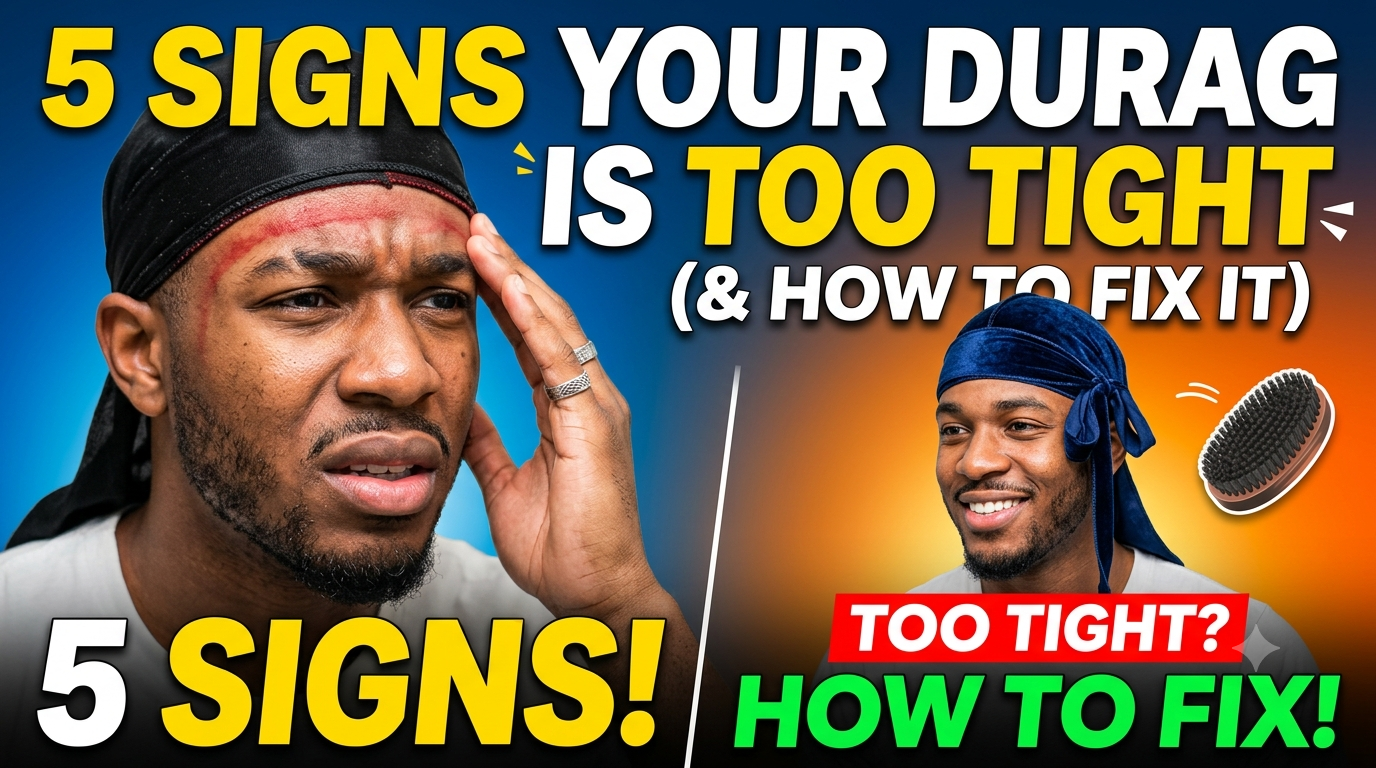
Tying it too tight creates an unflattering silhouette and can pull the fabric in ways that look uncomfortable rather than stylish. Fashion tying should look relaxed and intentional, not strained.
Choosing a material that does not drape well — particularly stiff or low-quality synthetic fabrics — makes even a well-tied durag look cheap. In fashion contexts, the quality of the fabric is visible and it matters.
Letting the durag clash with the rest of the outfit without intention reads as accidental rather than creative. Either coordinate the colors deliberately or commit to a contrast that feels considered.
Final Thoughts
The durag has earned its place in fashion through decades of cultural significance and the confident, creative people who wore it on their own terms long before the mainstream took notice. Wearing it as a fashion piece today means stepping into that legacy and adding your own interpretation to it.
Whether you go with a silk durag in a deep jewel tone tied loosely at the back, a velvet statement piece that anchors a bold outfit, or a patterned satin durag that adds personality to a streetwear look, the principles are the same — choose quality material, tie it with intention, coordinate it with your outfit, and wear it with confidence.
Style is ultimately about how you carry yourself. A durag worn with genuine confidence and self-awareness will always look better than the same durag worn with uncertainty. Own the look, understand where it comes from, and make it yours.
Explore more durag styles, materials, and wave guides at DuragsGuides.com.